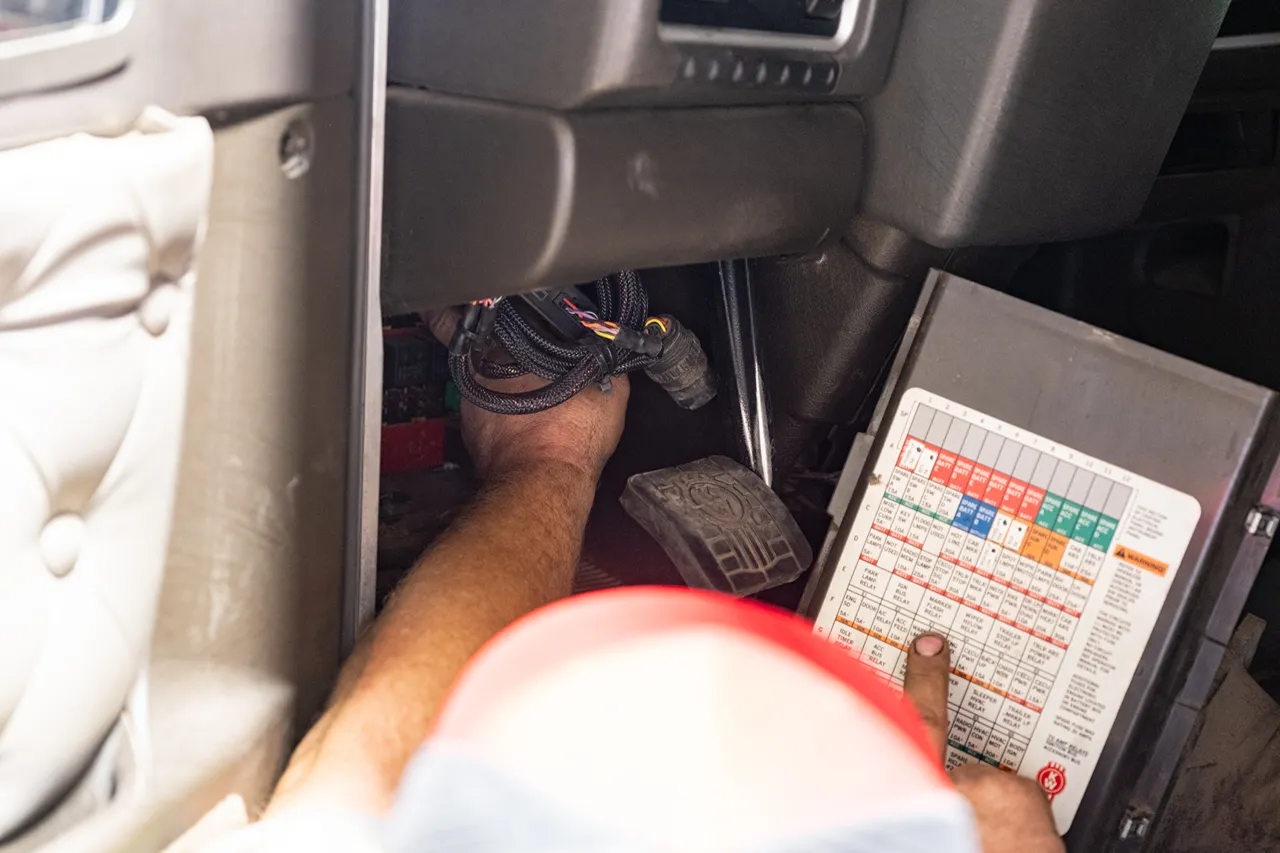
Cold mornings, slippery roads, and an unexpected brake problem can turn a routine Illinois delivery into an expensive delay. Whether your trucks travel I-80 or I-55, October is the time to catch problems before winter makes them worse. A thorough Illinois DOT inspection compliance review, combined with preventive maintenance, helps you identify safety defects and keep your fleet road-ready.
What Are Illinois DOT Inspection Requirements for Commercial Trucks?
An annual DOT truck inspection is a federal requirement for covered commercial motor vehicles under 49 CFR § 396.17. Each applicable truck and trailer must pass a qualifying periodic inspection at least once every 12 months.
However, federal annual inspections aren't the only requirements to consider. Illinois also has its own safety inspection rules, including six-month inspection requirements for many qualifying Illinois-registered vehicles operating intrastate.
Three federal regulations are particularly important:
- 49 CFR § 396.17: Requires periodic inspections of covered commercial motor vehicles, including applicable trailers.
- 49 CFR § 396.13: Requires drivers to determine that their vehicles are in safe operating condition before driving.
- 49 CFR § 396.3: Requires motor carriers to systematically inspect, repair, and maintain vehicles under their control.
The Illinois Department of Transportation (IDOT) oversees the state's official vehicle testing program. The Illinois State Police handles motor carrier enforcement responsibilities transferred from IDOT in January 2026.
Remember, October isn't a federally mandated inspection deadline. Your inspection schedule depends on applicable federal and state requirements, vehicle registration, and previous inspection dates.
What Should Be on Your October Illinois DOT Inspection Checklist?
An effective Illinois DOT inspection checklist focuses on components that affect vehicle safety and regulatory compliance. With freezing temperatures approaching, you should also examine systems vulnerable to cold-weather failures.
Use these six checkpoints to prepare your commercial trucks and trailers.
1. Are Your Air Brakes and Air Systems Ready for Freezing Temperatures?
Air brakes depend on compressed air to activate the braking system. A leak, damaged hose, or malfunctioning component can compromise braking performance when road conditions are already challenging.
During your commercial truck DOT inspection, check:
- Brake chambers, pushrods, and slack adjusters
- Brake lining condition and applicable adjustment measurements
- Air hoses, fittings, and connections for leaks
- Air-pressure buildup and low-pressure warning systems
- Air dryer operation and excessive moisture accumulation
Moisture deserves extra attention during winter truck maintenance. Your air dryer removes water from compressed air, helping prevent moisture from freezing inside brake lines and affecting system operation.
Have a qualified technician investigate abnormal air loss, brake imbalance, or other safety-related defects before the truck returns to service.
2. Are Your Truck and Trailer Tires Safe for Colder Roads?
Tire pressure typically drops as temperatures fall. That means a tire inflated correctly during a warm September afternoon may be underinflated on a freezing October morning.
Your cold-weather truck inspection should include tire pressure, tread depth, sidewall condition, and visible damage. Check tractor and trailer tires rather than concentrating only on the truck's drive axles.
Federal minimum tread-depth requirements generally include 4/32 inch on front steering axle tires and 2/32 inch on other applicable tires, measured in specified major grooves.
Don't assume a tire is winter-ready just because it meets minimum legal tread requirements. Adequate traction, correct inflation, and suitable tire selection remain essential when Illinois highways become wet or icy.
3. Do All Lights and Electrical Connections Work Properly?
October brings shorter days, early sunsets, and changing visibility. Your headlights, brake lights, and trailer signals need to work reliably through rain, frost, and eventually snow.
For a semi-truck DOT inspection, inspect:
- Headlights, high beams, and turn signals
- Brake lights, marker lights, and clearance lights
- Trailer wiring harnesses and electrical connectors
- Reflective devices and required conspicuity markings
- Corroded connections, damaged wiring, and loose fittings
Pay particular attention to trailer connectors that experience repeated coupling and uncoupling. Dirt, moisture, and damaged contacts can cause intermittent lighting failures that are easy to overlook.
Repair lighting defects promptly, and keep electrical connections protected against moisture and road salt.
4. Are Steering, Suspension, and Coupling Components Secure?
Your steering and suspension systems help you maintain control while supporting the truck and its cargo. Worn components can become especially troublesome when traction decreases.
During your inspection, examine steering linkage, tie rods, suspension mounting points, leaf springs, air springs, and shock absorbers. Watch for excessive movement, damaged components, and air suspension leaks.
For tractor-trailer combinations, inspect fifth-wheel mounting hardware, locking mechanisms, coupling components, and relevant air and electrical connections.
Trucks moving between intermodal yards and distribution facilities around Joliet–Elwood frequently encounter turning, stopping, and coupling demands. Identifying loose or damaged components before winter helps reduce the risk of equipment-related delays.
5. Can Your Batteries, Coolant, and Engine Handle Cold Starts?
Your truck may pass its required periodic inspection and still struggle to start on a freezing morning. That's why supplemental winter truck maintenance matters.
Ask your technician to test battery condition, charging-system performance, starter operation, and electrical connections. Cold temperatures can expose a weak battery that performed adequately during warmer weather.
Next, check coolant condition and freeze protection using the engine manufacturer's specifications. Inspect coolant hoses, the radiator, and related components for leaks or deterioration.
These checks support heavy-duty truck preventive maintenance, but they shouldn't all be presented as mandatory annual DOT inspection items. Their purpose is to prevent avoidable cold-start problems, cooling-system damage, and winter breakdowns.
6. Are Your Inspection Records and Driver Pre-Trip Checks Up to Date?
Even a well-maintained truck can create compliance problems when required inspection documentation is missing or overdue.
Review your fleet's truck inspection requirements, Illinois records, and confirm that each applicable truck and trailer has current inspection documentation. Check whether any vehicles are approaching their next required inspection date.
Drivers must also assess vehicle safety before operating under 49 CFR § 396.13. Make sure drivers understand how to identify and report safety-related defects.
Review outstanding repair reports, confirm required corrective work, and retain documentation according to applicable regulations. A valid periodic inspection doesn't replace ongoing maintenance or required driver checks.
How Do Illinois Freight Routes Affect Winter Inspection Priorities?
Illinois winter conditions vary considerably between northern, central, and southern parts of the state. Fleets operating along I-80 may encounter freezing temperatures earlier than trucks working primarily in southern Illinois.
Likewise, I-55 connects the Chicago region with Bloomington, Springfield, and routes toward St. Louis. Trucks operating across these areas can experience changing temperatures and road conditions within a single trip.
For operators serving Chicago freight terminals or the Joliet–Elwood logistics corridor, frequent braking, heavy loads, and repeated trailer movements make inspections particularly valuable.
Illinois winter road treatment also introduces salt exposure. Inspect exposed wiring, air lines, and connections for deterioration before corrosion creates additional problems.
When Should Illinois Fleet Managers Schedule DOT Inspections?
Start reviewing inspection records in early October rather than waiting for the first snowfall. Prioritize vehicles with approaching inspection deadlines, unresolved safety defects, or recurring maintenance concerns.
A practical October truck inspection checklist schedule includes three steps:
- Review compliance: Confirm inspection dates, required documentation, and outstanding repair records.
- Inspect critical systems: Arrange qualified inspections of brakes, tires, steering, suspension, lighting, and coupling equipment.
- Complete winter preparation: Test batteries, verify coolant protection, address air-system moisture, and correct identified defects.
If you're responsible for multiple vehicles, stagger maintenance appointments to reduce disruptions. Schedule any required inspection according to its actual due date, not simply because October has arrived.
Get Your Illinois Commercial Trucks Ready Before Winter
A successful DOT inspection preparation strategy for Illinois fleets combines regulatory compliance, thorough safety checks, and proactive cold-weather maintenance. Pay particular attention to brakes, tires, lighting, steering, coupling equipment, and maintenance records.
Don't let an avoidable defect interrupt your next delivery. Contact Fleetmaster Truck and Trailer to discuss your commercial truck inspection and maintenance needs and prepare your equipment for Illinois winter operations:
Bedford Park, IL: 708-415-0251
Melrose Park, IL: 331-243-7877
FAQs
How often do commercial trucks need a DOT inspection in Illinois?
Covered commercial vehicles generally require a federal periodic inspection at least once every 12 months. Certain Illinois-registered vehicles also require state safety inspections every six months, depending on their registration and operating classification.
Is October a mandatory DOT inspection month in Illinois?
No. Federal DOT regulations don't establish October as a special inspection deadline. October is a useful time to review inspection records and complete preventive maintenance before winter.
What are the most important components checked during a truck DOT inspection?
Important inspection areas include brakes, tires, steering, suspension, lighting, wheels, and coupling equipment. Inspectors assess applicable components against regulatory inspection standards.
Does a DOT inspection include winter maintenance?
Required DOT inspections focus on specified safety and equipment standards. Battery testing, coolant freeze-protection checks, and other seasonal maintenance tasks may be performed separately to improve winter reliability.
Can a truck pass its annual DOT inspection and still fail a roadside inspection?
Yes. An annual inspection documents the vehicle's condition at the time of inspection. Defects can develop afterward, so drivers and motor carriers must continue to inspect, maintain, and repair their equipment.


