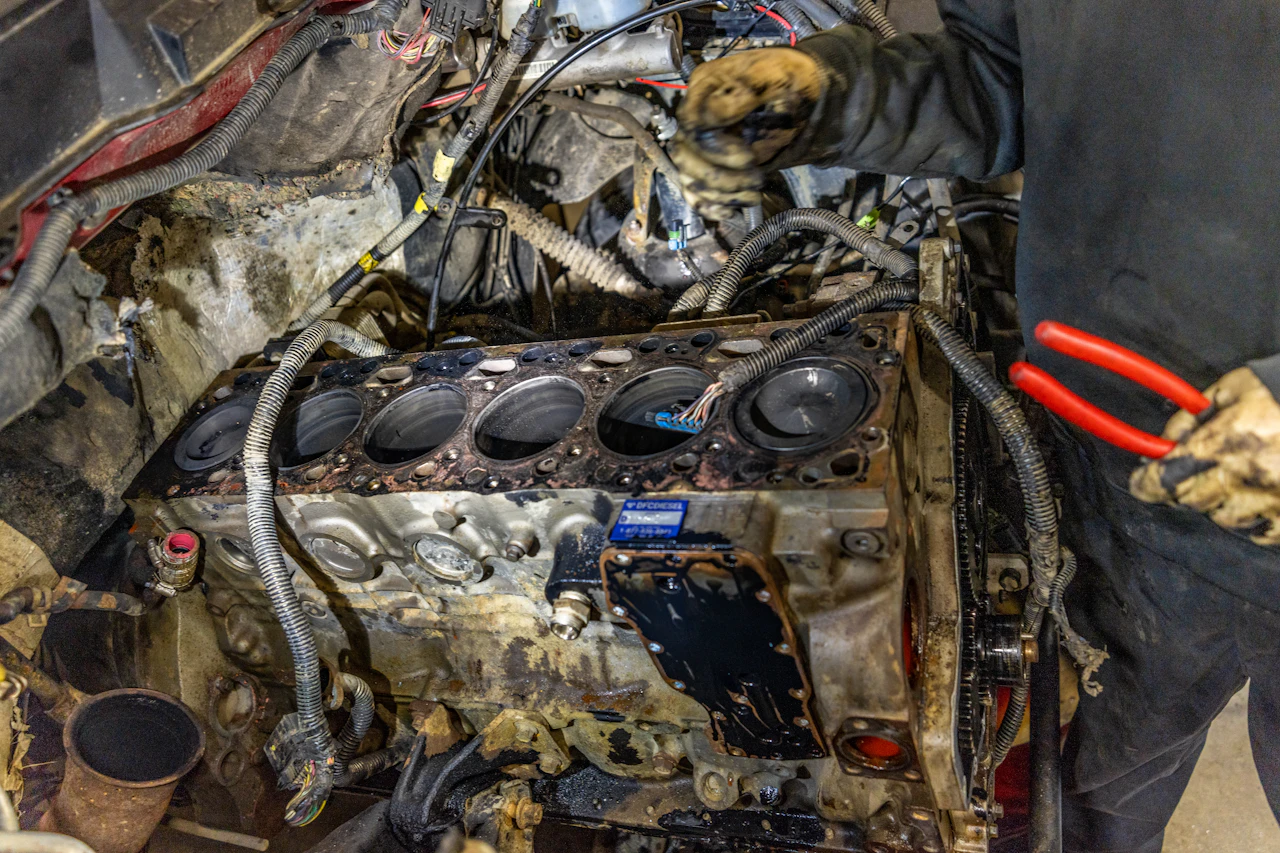
A diesel truck going down is never just an inconvenience. It's lost time, lost revenue, and, depending on the situation, a repair bill that didn't have to happen. The part that makes it worse is that most diesel engine failures don't come out of nowhere. They build slowly from smaller issues that get ignored or missed until something finally gives.
Fleet Master Truck and Trailer Repair has seen this play out more times than we can count. Here's a look at the most common causes, what's actually happening inside the engine when things go wrong, and why getting ahead of it early is almost always the difference between a simple repair and a full replacement.
Understanding What Diesel Engine Failure Really Means
Before we dive in, let’s clear something up. Diesel engine failure isn’t a single problem. It’s a broad term describing a condition where the engine can no longer operate safely or efficiently. That could mean catastrophic internal damage, seized components, or even severe performance loss that renders the truck undrivable.
In most cases, the failure originates in one of these critical systems:
- Lubrication system
- Cooling system
- Fuel system
- Air intake system
- Aftertreatment system
When one of these systems falters, the entire engine is put at risk. And once internal components like pistons, crankshafts, bearings, or cylinder walls are compromised, you’re staring down the barrel of major repairs.
Oil-Related Issues
Lubrication problems are behind more diesel engine failures than just about anything else, and what makes them particularly dangerous is how quietly they develop. By the time you notice something is wrong, the damage is often already done.
Low Oil Pressure
Diesel engines rely on pressurized oil to lubricate crankshaft bearings, camshafts, and other internal components. When oil pressure drops, whether due to a failing oil pump, leaks, or low oil levels, metal begins rubbing against metal.
And that’s where the trouble starts.
Without proper lubrication:
- Bearings overheat
- Friction increases
- Components warp or seize
Keep driving under those conditions, and you’ll quickly experience catastrophic engine damage.
Contaminated Oil
Oil breaks down over time. Add soot, coolant contamination, or fuel dilution into the mix, and you’ve got a recipe for accelerated wear. Skipping oil changes may save time in the short term, but it dramatically increases the risk of diesel engine failure.
Actionable tip: Follow a strict preventive maintenance schedule and perform regular oil analysis for fleet vehicles.
Overheating: When Temperatures Spiral Out of Control
Overheating is another major contributor to diesel engine failure, and it doesn’t take long to cause serious damage.
Your engine’s cooling system, made up of the radiator, water pump, thermostat, coolant lines, and fan clutch, is designed to regulate operating temperature. When one component fails, heat builds up fast.
Common causes include:
- Coolant leaks
- Failing water pump
- Plugged radiator
- Malfunctioning fan clutch
Excessive heat can warp cylinder heads, crack engine blocks, and blow head gaskets. Once that happens, you’re no longer dealing with a minor repair.
Actionable tip: If your temperature gauge creeps above normal, pull over immediately. Continuing to drive while overheating almost guarantees diesel engine failure.
Fuel System Failures and Injector Problems
Modern diesel engines depend on precise fuel delivery. High-pressure fuel injectors atomize diesel into a fine mist, ensuring proper combustion.
When injectors fail, or the fuel system becomes contaminated:
- Combustion becomes inefficient
- Power drops
- Excess soot forms
- Internal components suffer
Water or debris in the fuel system can score injector tips and damage high-pressure pumps. Over time, this leads directly to diesel engine failure.
Actionable tip: Replace fuel filters regularly and drain water separators as part of routine diesel engine repair maintenance.
Airflow Restrictions and Turbocharger Issues
Your diesel engine needs massive amounts of clean air for combustion. Restricted airflow increases exhaust gas temperatures and reduces performance.
Clogged air filters, boost leaks, or failing turbochargers can all contribute to diesel engine failure.
The turbocharger itself is especially critical. It compresses intake air to increase power and efficiency. But it spins at extremely high RPMs and relies on proper lubrication. Oil starvation or contamination can cause turbo failure, which may send metal fragments into the engine.
And just like that, you’re dealing with severe engine damage.
Actionable tip: Inspect air filters and charge air coolers routinely, especially for trucks operating in dusty or high-load environments.
Aftertreatment System Problems
Modern emissions systems are complex. Components like the EGR valve, DPF, and SCR system all play a role in controlling exhaust gases.
When these systems malfunction:
- Backpressure increases
- Engine temperatures rise
- Fuel efficiency drops
Excessive backpressure alone can contribute to diesel engine failure over time.
Ignoring a DPF warning light, for example, can result in forced derates, shutdowns, and internal stress that accelerates wear. Address aftertreatment faults immediately. Don’t delay diagnostics when warning lights appear.
Why Timely Repairs Matter More Than You Think
A small coolant leak today can become a warped cylinder head tomorrow. A slight drop in oil pressure can turn into a seized crankshaft. Delaying service is like rolling the dice with your entire powertrain.
Timely diesel engine repair:
- Prevents escalating damage
- Reduces downtime
- Protects fuel efficiency
- Extends engine lifespan
- Saves thousands in long-term costs
Warning Signs You Should Never Ignore
Catching problems early is your best defense against diesel engine failure. Watch for:
- Knocking or unusual engine noises
- Excessive exhaust smoke
- Loss of power
- Rising engine temperatures
- Low oil pressure warnings
- Decreased fuel economy
If something feels off, it probably is. Trust your instincts, and your gauges.
Stop Costly Diesel Engine Failure
Diesel engine failure is rarely sudden and almost always preventable. From lubrication breakdowns and overheating to fuel system contamination and airflow restrictions, the causes are well known and manageable with the right maintenance strategy. Timely diagnostics and consistent preventive maintenance are your strongest safeguards against severe engine damage.
If your truck is showing symptoms or you're due for service in Bedford Park, IL, get in touch with Fleet Master Truck and Trailer Repair to stay ahead of repairs. You need to address issues early, monitor performance closely, and never ignore warning signs. For more information about truck repair, read our article on how alignment services save fuel, tires, and suspension wear.
.svg)
.svg)
.svg)